.png)
Budgeting for Beginners: Essential Tips to Start Right
October 10, 2025
Introduction
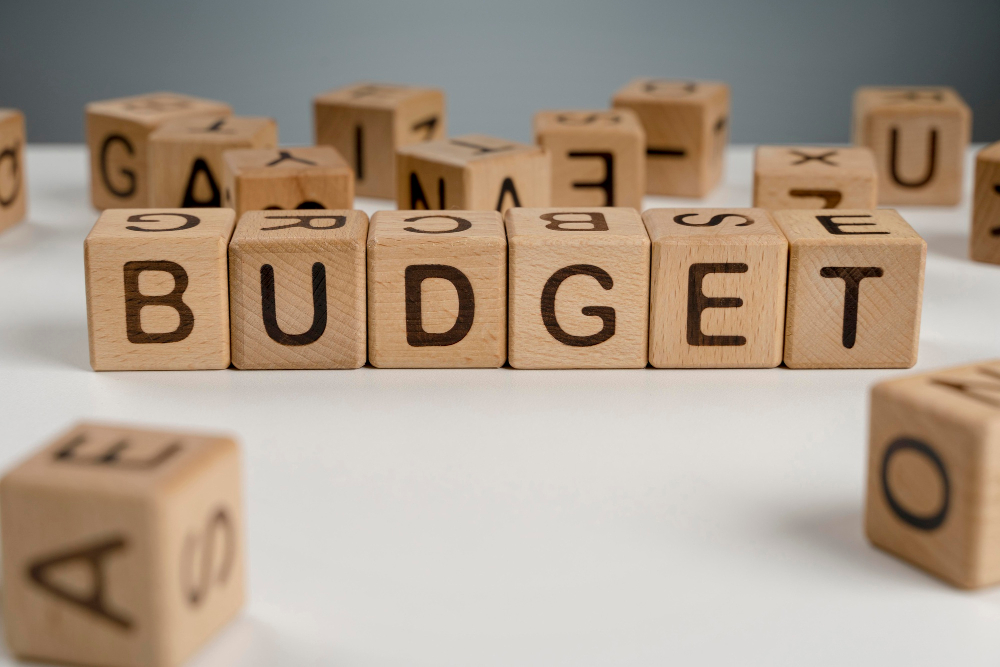
Budgeting is a crucial skill that everyone should master, yet it often feels daunting, especially for beginners. Whether you're aiming to save money, reduce debt, or plan for future financial goals, a solid budgeting plan is the foundation of financial health. In this guide, we'll walk you through essential tips and strategies to get started with budgeting.
Why Budgeting is Important
Budgeting helps you understand where your money is going, manage your spending, and prioritize your financial goals. By keeping track of your income and expenses, you can make informed decisions about your money. Moreover, budgeting can reduce financial stress and give you more control over your financial future.
“A budget is telling your money where to go instead of wondering where it went.
Understanding Income and Expenses
To create a budget, start by listing all your sources of income such as your salary, any side jobs, or investment earnings. Next, document all your expenses. These expenses can be categorized into fixed expenses like rent, utilities, and loan payments, and variable expenses such as groceries, entertainment, and dining out.
- Fixed Expenses: Rent, Utilities, Loan Payments
- Variable Expenses: Groceries, Entertainment, Dining Out
Setting Realistic Financial Goals
Having clear financial goals is crucial for motivation and direction. Your financial goals can be short-term, like saving for a holiday, or long-term, like buying a house. Be specific about your goals and ensure they are achievable. Break them down into smaller, actionable steps to make them more manageable.
For example, if you want to save $1,200 for a holiday in one year, you need to save $100 per month. By breaking the goal into smaller monthly targets, it becomes more attainable and less overwhelming.
Tracking Your Spending
Consistently tracking your spending is key to successful budgeting. Use budgeting apps, spreadsheets, or even a simple notebook to log your expenses daily. This will help you identify spending patterns, cut unnecessary costs, and stay within your budget.
Adjusting Your Budget
A budget is not set in stone. It is essential to review and adjust it periodically based on changes in your income, expenses, or financial goals. Flexibility is important to accommodate unexpected expenses or changes in your financial situation.
Conclusion
Budgeting is a powerful tool that can lead to financial freedom and stability. By understanding your income and expenses, setting realistic goals, tracking your spending, and adjusting your budget as needed, you can take control of your finances and build a secure financial future. Start today, and remember that the most important step is to begin.
Comment (0)
Leave a comment
Your email address will not be published. Required fields are marked *
WHAT OUR CUSTOMERS SAY
 Reviews
0
(0)
No reviews found.
.png)

© 2025. All rights reserved. Information is deemed reliable but not guaranteed. Sourced in part from the Toronto Regional Real Estate Board (TRREB). Provided solely for consumers with a bona fide interest in the purchase, sale, or lease of real estate. Unauthorized use, reproduction, or distribution is strictly prohibited.